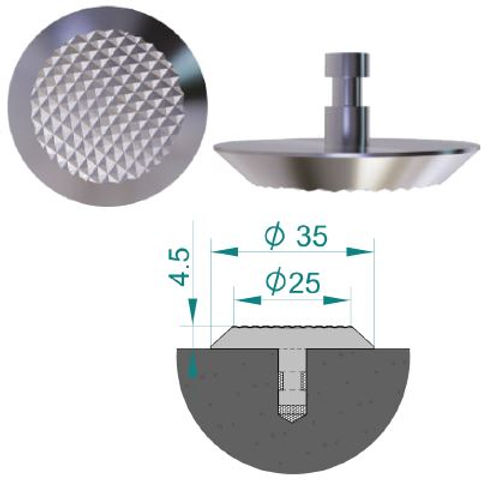
Tactile indicators are essential for improving accessibility and safety in public and private spaces. They help visually impaired individuals navigate environments with confidence by providing clear physical cues. However, even high-quality products can fail if they are not installed correctly. Many projects face issues due to avoidable mistakes during installation.
Whether you are working with self adhesive tactile studs or mechanically fixed options, proper planning and execution are critical. This article highlights the most common mistakes and how to avoid them to ensure long-lasting performance.
Ignoring Surface Preparation
One of the most common mistakes is failing to prepare the surface properly before installation. The condition of the surface directly affects how well tactile indicators will perform over time.
Dust, moisture, oil, or uneven textures can weaken the bond, especially when using adhesive-based products. Even high-quality materials can lose effectiveness if they are applied to a dirty or damp surface.
To avoid this issue, always clean the surface thoroughly and ensure it is dry and smooth. Proper preparation creates a strong foundation for durable installation.
Choosing the Wrong Type of Tactile Indicators
Not all tactile indicators are suitable for every environment. Selecting the wrong type can lead to early wear, poor performance, or safety risks.
For example, self-adhesive tactile studs may work well in indoor areas but may not be ideal for outdoor spaces exposed to extreme weather or heavy loads. On the other hand, mechanically fixed indicators may be more suitable for high-impact environments.
Understanding the specific needs of the location is key. Factors such as foot traffic, weather exposure, and flooring material should always be considered before making a selection.
Incorrect Placement and Layout
Proper placement is essential for tactile indicators to serve their purpose effectively. Incorrect positioning can confuse users and reduce accessibility rather than improve it. Tactile indicators must follow specific patterns and spacing guidelines to provide clear directional and warning cues. Random or inconsistent placement can lead to navigation errors.
It is important to follow standard guidelines and ensure alignment is accurate. Careful measurement and planning can prevent costly corrections later.
Poor Adhesive Application
When using adhesive-based products, improper application is a major issue. Many installers underestimate the importance of correct pressure and curing time.
If the adhesive is not applied evenly or if sufficient pressure is not used, the bond may be weak. Additionally, using the area too soon after installation can affect the durability of the indicators. High-quality adhesives require proper handling. Allow enough time for curing and ensure that each stud or strip is firmly secured to the surface.
Skipping Professional Guidance
Another common mistake is attempting installation without proper knowledge or guidance. While some products are designed for easy installation, the process still requires attention to detail.
Working without expert advice can lead to errors in placement, product selection, and installation techniques. Consulting a reliable tactile indicators manufacturer can help avoid these problems. Manufacturers often provide guidelines, technical support, and recommendations that improve the overall quality of the installation.
Overlooking Environmental Conditions
Environmental factors play a significant role in the performance of tactile indicators. Temperature, humidity, and exposure to water can all affect durability.
Installing tactile indicators in unsuitable conditions can lead to poor adhesion or long-term damage. For example, applying adhesive products in very cold or wet conditions may reduce bonding strength.
It is important to assess the environment before installation and choose materials that are suitable for those conditions. Timing the installation correctly can also make a big difference.
Lack of Maintenance Planning
Installation is only the first step. Many projects fail because there is no plan for ongoing maintenance. Over time, even well-installed tactile indicators can experience wear and tear.
Without regular inspection, small issues can grow into bigger problems. Loose indicators, surface damage, or reduced visibility can affect safety. Creating a simple maintenance plan helps ensure that tactile indicators remain effective. Regular checks and timely repairs can extend their lifespan and maintain compliance.
Final Thoughts
Installing tactile indicators may seem straightforward, but small mistakes can have a big impact on safety and durability. From surface preparation to product selection and placement, every step requires careful attention.
Using high-quality products like self-adhesive tactile studs is important, but correct installation is equally critical. Seeking guidance from a trusted tactile-indicator manufacturer can help ensure that the project meets both safety standards and long-term performance expectations. By avoiding these common mistakes, you can create a reliable and effective tactile guidance system that supports accessibility and safety in any environment.