
Picture this: you’ve just harvested a bumper crop of fresh peaches, and within hours, they need to be kept at a precise temperature to lock in that just-picked sweetness. Or maybe you’re a logistics manager for a fruit exporter, staring at a spreadsheet of ripening curves and humidity targets. That’s where the magic of cold storage becomes your quiet hero. Cold Storage Construction Services have evolved far beyond simple walk-in freezers—they’re now engineered ecosystems that turn perishable produce into long-lasting assets. For fruits and vegetables, it’s not just about keeping things cold, it’s about creating a microclimate that mimics a perfect autumn morning, every single day. Let’s talk about how to build that environment from the ground up, with a focus on turnkey solutions that take the guesswork out of your supply chain.
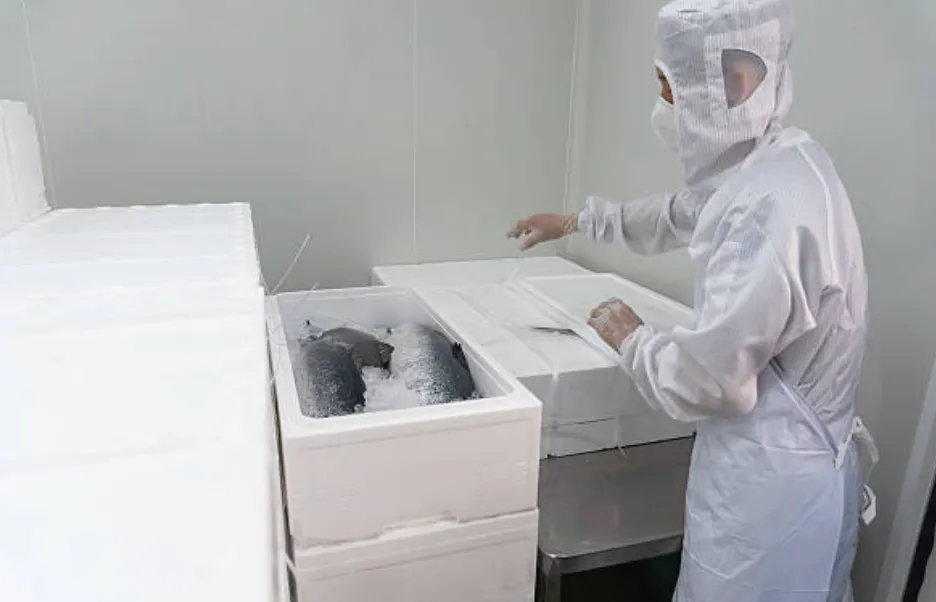
When you’re dealing with tomatoes, bananas, or leafy greens, each commodity has its own personality. cold storage construction services now offer modular designs that can be tailored to multiple zones within a single facility. For instance, apples might need a steady 32°F with high humidity, while potatoes prefer a cooler, drier spot at around 38°F. A well-engineered turnkey project integrates variable-speed compressors, precision airflow controls, and insulated panels that minimize heat exchange. This isn’t a one-size-fits-all approach—it’s like having a wardrobe for every season stashed in one closet. And if you’re also handling fish or shrimp on the side, you’ll appreciate how Seafood Cold Storage Solutions share similar principles but require even tighter temperature consistency and corrosion-resistant materials.
Let’s carve out some space for a practical mini-chapter here, because the science of produce preservation deserves its own spotlight. Think about ethylene gas, for example—a natural ripening hormone that can speed up decay if not managed. Advanced HVAC systems in modern cold storage construction services include ethylene scrubbers and carbon filters that keep the air clean. Meanwhile, humidity control prevents shriveling in thin-skinned berries or cracking in root vegetables. A turnkey provider will often install automated sensors that alert you when temps drift by just a degree. That’s peace of mind you can’t get from a standard commercial cooler. And for facilities that double as processing hubs, sanitary design is crucial—smooth floors, non-porous walls, and easy-to-clean drains are non-negotiable.
Now, let’s pivot to the maritime side of the equation, because many fruit and vegetable distributors also dabble in seafood logistics. A contractor experienced with seafood cold storage solutions knows that ammonia-based refrigeration systems often outperform freon for large-scale operations, especially when dealing with high salt content and moisture. The same turnkey principles apply: insulated structural steel, blast freezing tunnels for quick temperature pull-down, and backup generators to protect your catch during power outages. You’ll find that combining produce and seafood under one roof requires a clever layout—separate airflows to avoid cross-contamination, but sharing the same chilling infrastructure to cut energy costs. It’s a delicate dance, but a skilled construction team can orchestrate it beautifully.
Here’s where the rubber meets the road: choosing a partner for cold storage construction services isn’t just about square footage or price per ton. It’s about understanding your crop cycles, your distribution patterns, and your long-term plans. Maybe you need a facility that can handle 500 tons of mangoes during peak season but scale down for limes in the off months. Turnkey providers offer flexible racking systems, adjustable shelving, and even mobile refrigeration units that can be reconfigured on the fly. They also handle the paperwork—permits, environmental impact assessments, and local building codes—so you can focus on what you do best: growing, packing, and selling. And if you ever decide to add a line for frozen shrimp or crab, your existing infrastructure can often adapt with minimal fuss, thanks to the modular nature of seafood cold storage solutions.
Let’s not underestimate the importance of energy efficiency in this conversation. A typical cold storage facility can account for 30% of a business’s total electricity bill. Modern cold storage construction services incorporate LED motion-sensor lighting, high-R-value insulation, and heat recovery systems that capture waste heat for hot water or floor heating. Some turnkey projects even include solar panels on the roof, creating a net-zero operation over time. For fruits like avocados or kiwis that require long-term storage, this can shave thousands off annual expenses. Meanwhile, seafood cold storage solutions often employ variable frequency drives on compressors to match load exactly, preventing wasteful overcapacity during slow periods.
As we wrap up this casual exploration, remember that your cold storage is more than a building—it’s a tool that directly impacts your bottom line. Whether you’re storing crisp Fuji apples or silky tuna loins, the principles of temperature, humidity, and cleanliness remain constant. The best part about hiring a turnkey specialist for cold storage construction services is the integrated approach: they design, build, install, and commission everything from the floor drains to the control panels. That leaves you with a single point of contact and a streamlined timeline. And when you’re ready to expand into new markets or products, your experience with seafood cold storage solutions will give you the confidence to tackle any fresh or frozen commodity that comes your way. So go ahead, pick your fruit, chill it right, and watch your profits blossom.
 Gus
Gus