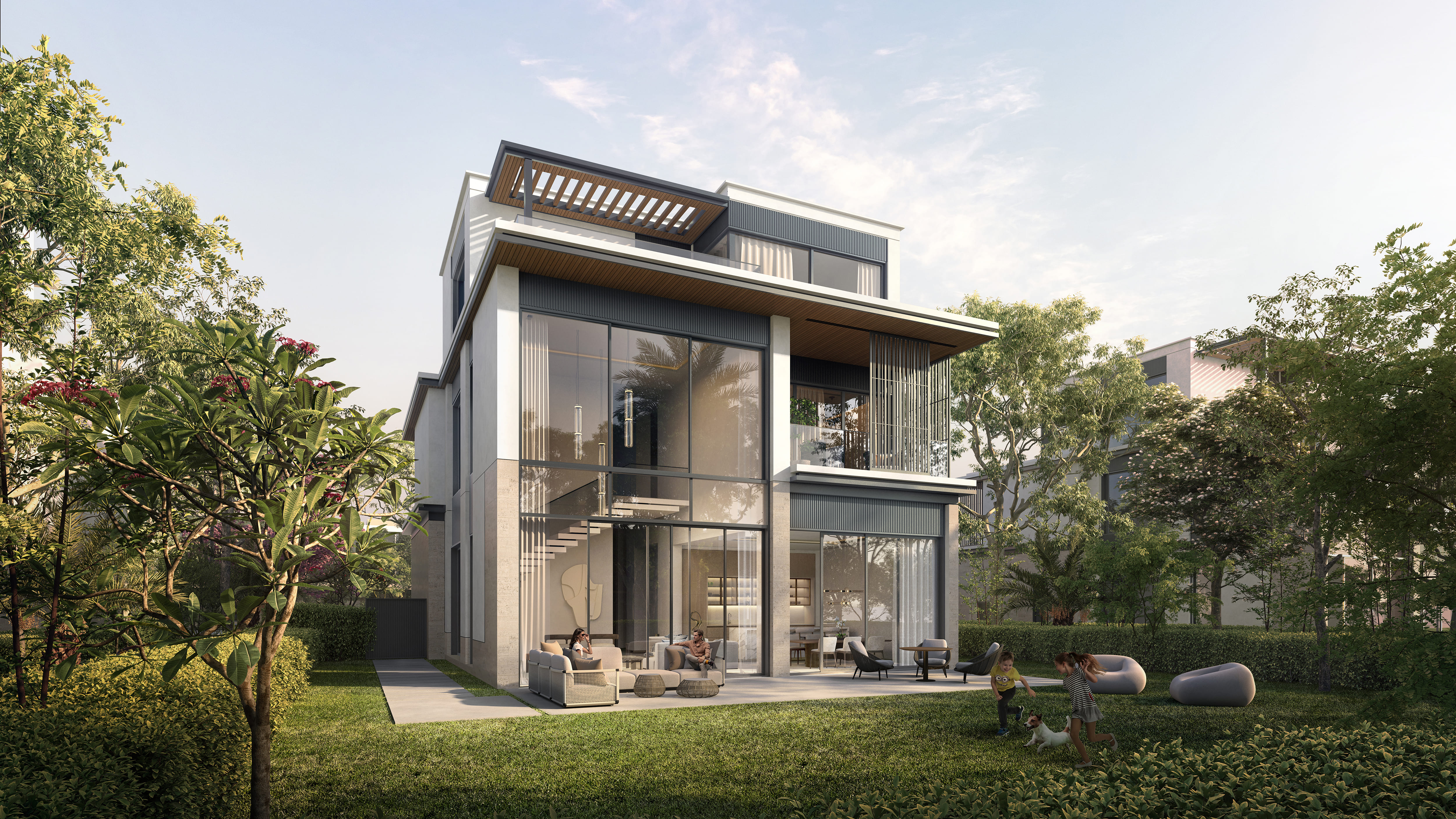
Singapore’s residential landscape is increasingly defined by demand patterns beyond the traditional city center. City-fringe areas, which balance accessibility with relative affordability and livable space, have become focal points for both developers and homebuyers. Understanding the drivers behind this demand provides insight into why projects in these locations, such as Lentor Gardens Residences, are attracting attention from urban homeowners and long-term investors alike.
Accessibility Without Central Congestion
One of the primary drivers of city-fringe residential demand is strategic connectivity. Fringe locations often offer proximity to major arterial roads, MRT lines, and public transport nodes without the congestion and density challenges of the downtown core.
For potential homeowners, developments in these areas provide a practical compromise: commuting times remain manageable, while the living environment offers more open space and quieter surroundings. Projects like Lentor Gardens Residences demonstrate how careful siting near transport nodes can make city-fringe living convenient without sacrificing residential comfort.
Emerging Employment Hubs
City-fringe areas in Singapore are increasingly integrated with emerging business districts, technology parks, and industrial zones. These hubs attract professionals who prioritize short commutes and proximity to workplaces outside the central business district.
The clustering of employment centers near fringe developments increases their appeal to owner-occupiers who prefer to reduce daily travel time while maintaining access to urban amenities. The resulting demand is not solely speculative but driven by genuine lifestyle optimization.
Land Scarcity and Development Opportunities
Scarcity of developable land in the city core has pushed new residential projects to the periphery, where planners can achieve higher plot ratios, more efficient layouts, and additional green space. Fringe developments often include larger units and enhanced communal facilities compared with comparable central locations.
Developers can leverage these advantages to attract buyers seeking functional space for long-term living. In projects such as Lentor Gardens Residences, unit planning often incorporates these spatial benefits, aligning with the practical expectations of city-fringe residents.
Appeal to Family-Oriented Buyers
City-fringe condominiums are particularly attractive to families seeking a balance between urban accessibility and a livable environment. Proximity to reputable schools, parks, and community facilities drives demand among owner-occupiers prioritizing stable, long-term residential environments.
The availability of larger units and thoughtfully planned layouts enhances suitability for multi-generational households or growing families. Developers that anticipate these needs increase the desirability and long-term value of their projects.
Lifestyle Versus Practicality
While fringe locations often offer quieter surroundings and more greenery, demand is still grounded in practical considerations. Residents evaluate how well the location supports daily life: access to groceries, medical facilities, childcare, and recreation is as important as aesthetic appeal.
Projects like Lentor Gardens Residences integrate these practical elements, ensuring that fringe living is functional rather than merely scenic. Convenience, combined with enhanced living space, strengthens demand among discerning homebuyers.
Transportation Infrastructure and Future Connectivity
Anticipated infrastructure developments—such as MRT expansions or road network upgrades—also drive city-fringe demand. Buyers often view these areas as strategic long-term investments that will benefit from enhanced accessibility over time.
In Singapore, fringe locations with confirmed future connectivity improvements experience heightened interest. Projects positioned near planned transport nodes offer immediate residential benefits while promising increased value and convenience in the years ahead.
Community and Social Stability
Another factor influencing demand is the expected stability of the residential community. Fringe developments often attract owner-occupiers seeking long-term homes rather than short-term rentals or speculative investments. A stable resident composition supports better management, safer environments, and more reliable communal upkeep.
This dimension of city-fringe living enhances appeal for families and long-term residents, ensuring that developments maintain both livability and social cohesion over time.
Conclusion
The demand for city-fringe condominiums in Singapore is driven by a combination of accessibility, livable space, emerging employment nodes, and long-term residential stability. Buyers are increasingly evaluating fringe projects not merely as affordable alternatives but as strategic choices for sustainable urban living.
Developments like Lentor Gardens Residences exemplify how thoughtful planning, functional layouts, and integration with local infrastructure can capitalize on these demand drivers, offering city-fringe residents both practicality and quality of life.