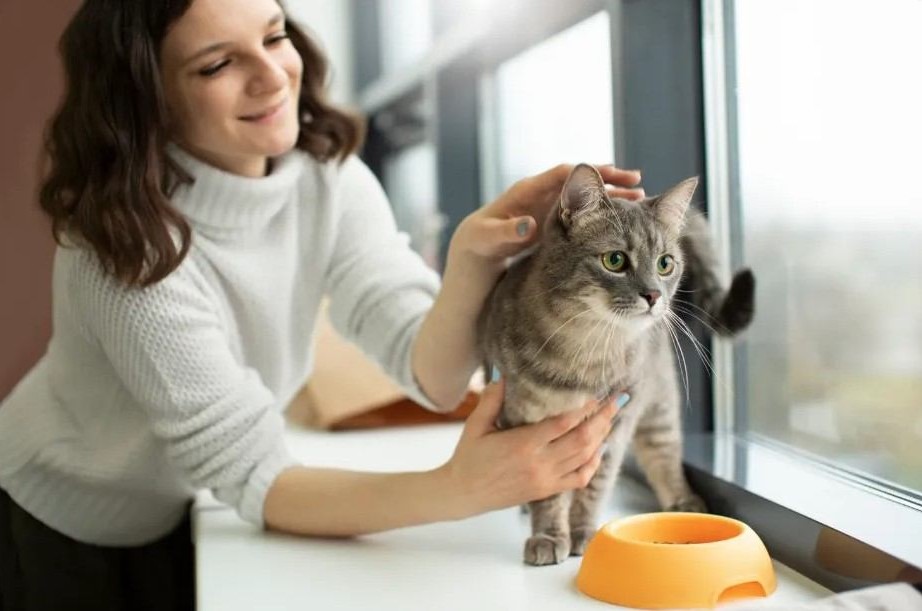
When it comes to pampering your feline friend, nothing feels quite as rewarding as giving them their favorite cat treats. That excited purr, the eager paw taps, and those big, hopeful eyes—it’s hard to resist.
But here’s the uncomfortable truth many US pet parents are starting to question:
👉 Are cat treats actually helping your pet—or slowly harming them?
With rising concerns around feline obesity, kidney issues, and poor nutrition, the role of healthy cat treats has become more important than ever. This guide breaks down the facts, myths, and smart choices you need to make—so you can treat your cat without guilt.
Why Cat Treats Matter More Than You Think
In the USA, over 60% of cats are overweight or obese, according to veterinary research. A major contributor? Overfeeding treats without understanding their nutritional impact.
Treats are no longer just “extras.” Today, they play roles in:
-
Training and positive reinforcement
-
Emotional bonding
-
Nutritional supplementation
-
Dental health support
But not all treats are created equal—and that’s where the real issue begins.
The Fine Line: Helpful vs Harmful Cat Treats
When Cat Treats HELP
Used correctly, cat treats can:
-
Encourage good behavior
-
Provide essential nutrients (vitamins, taurine, omega fatty acids)
-
Support dental hygiene (in specific formulations)
-
Help with medication delivery
When Cat Treats HURT
Problems arise when treats are:
-
High in fillers (corn, soy, artificial additives)
-
Loaded with empty calories
-
Overfed beyond daily limits
-
Not suited to your cat’s health condition
👉 Even “small” treats can add up quickly—especially for indoor cats with lower activity levels.
What Makes Healthy Cat Treats Truly “Healthy”?
Let’s break down what separates healthy cat treats from the rest.
1. High-Quality Protein First
Cats are obligate carnivores. The first ingredient should always be:
-
Chicken
-
Salmon
-
Turkey
-
Duck
Avoid treats where grains or by-products dominate.
2. Limited Ingredients (Clean Labels)
Short ingredient lists = better digestibility.
Look for:
-
Natural preservatives
-
No artificial colors
-
No chemical flavor enhancers
3. Functional Benefits
Modern healthy cat treats go beyond taste. Look for:
-
Probiotics → gut health
-
Omega-3 → skin & coat
-
Glucosamine → joint support
-
Dental textures → plaque control
4. Calorie Awareness
Treats should make up less than 10% of daily caloric intake.
👉 Example:
If your cat needs 200 calories/day → treats = max 20 calories
Hidden Dangers in Popular Cat Treats
Many US pet parents unknowingly choose treats that do more harm than good.
1. Artificial Additives
Colors and flavors might appeal to humans—not cats. These can lead to:
-
Allergies
-
Digestive issues
-
Long-term health risks
2. High Sodium Content
Excess salt can stress your cat’s kidneys—especially dangerous for aging cats
3. Sugar & Carbs
Yes, some treats contain hidden sugars.
This can lead to:
-
Weight gain
-
Diabetes
-
Poor dental health
4. Overfeeding Culture
Many pet parents treat feeding as love.
👉 But over-treating = overfeeding = health issues.
Special Focus: Treats for Cats with Kidney Disease
One of the fastest-growing concerns in the USA is chronic kidney disease (CKD) in cats.
If your cat has kidney issues, not all cat treats are safe.
What to Look For:
-
Low phosphorus content
-
Low sodium
-
High moisture (freeze-dried or soft treats)
-
Easily digestible protein
What to Avoid:
-
Dry, high-protein, phosphorus-heavy treats
-
Salty snacks
-
Processed fillers
👉 Always consult your vet before introducing treats for cats with kidney disease.
The Rise of Functional Treats in the USA
The US pet market is evolving fast—and healthy cat treats are at the center of this transformation.
Trending in 2026:
-
Freeze-dried raw treats
-
Single-ingredient treats
-
CBD-infused calming treats
-
Probiotic snacks
-
Grain-free options
Pet parents are now treating their cats like family—and investing in preventive nutrition, not just reactive care.
How to Choose the Right Cat Treats (Smart Buyer Checklist)
Before you buy any cat treats, ask yourself:
Ingredient Quality
-
Is real meat the first ingredient?
Purpose
-
Is it for training, dental care, or nutrition?
Health Condition
-
Does your cat have allergies, obesity, or kidney issues?
Brand Transparency
-
Does the brand clearly list ingredients and sourcing?
Vet Recommendation
-
Is it aligned with veterinary advice?
How Many Cat Treats Are Too Many?
This is where most pet parents go wrong.
Ideal Treat Frequency:
-
1–2 small treats per day
-
Or occasional use for training
Overuse Signs:
-
Weight gain
-
Reduced appetite for main meals
-
Digestive issues
👉 Treats should never replace a balanced diet
Smart Ways to Use Cat Treats Without Harming Your Pet
Here’s how to use cat treats the right way:
Use as Rewards, Not Routine Food
Reward behavior—not boredom.
Break Treats into Smaller Pieces
One treat can become multiple rewards.
Pair with Playtime
Make treats part of interactive sessions.
Rotate Treat Types
Avoid dependency on one flavor or brand.
Psychological Impact: Why Cats Love Treats So Much
Treats trigger:
-
Dopamine release (pleasure response)
-
Positive reinforcement memory
-
Stronger bonding with owners
👉 But this also makes cats demand treats more often.
That’s why controlled usage is key.
Indoor Cats vs Outdoor Cats: Treat Needs Differ
Indoor Cats:
-
Lower calorie needs
-
Higher obesity risk
-
Need low-calorie, functional treats
Outdoor Cats:
-
Higher energy expenditure
-
Can tolerate slightly higher calorie intake
👉 Always match treat type to lifestyle.
Cat Treats vs Cat Food: Know the Difference
|
Factor |
Cat Food |
Cat Treats |
|
Nutrition |
Complete & balanced |
Supplemental |
|
Calories |
Controlled daily intake |
Should be limited |
|
Purpose |
Main diet |
Reward or support |
|
Frequency |
Daily |
Occasional |
Common Myths About Cat Treats (Debunked)
Myth 1: “All Cat Treats Are Safe”
👉 Truth: Many contain harmful fillers and additives.
Myth 2: “More Treats = Happier Cat”
👉 Truth: Overfeeding leads to health issues.
Myth 3: “Natural Means Healthy”
👉 Truth: Not all “natural” labels are regulated.
Why Healthy Cat Treats Are a Smart Investment
US pet parents are shifting toward:
-
Preventive care
-
Premium nutrition
-
Longer pet lifespan
Spending slightly more on healthy cat treats today can:
✔ Reduce vet bills
✔ Improve quality of life
✔ Prevent chronic diseases
Where to Find High-Quality Cat Treats
When shopping for cat treats, choose trusted online pet stores that offer:
-
Verified brands
-
Transparent ingredient lists
-
Health-focused categories
-
Fast shipping across the USA
Platforms like Kwik Pets provide a wide selection of curated, vet-approved options for modern pet parents.
Final Verdict: Are Cat Treats Helping or Hurting?
👉 The answer depends entirely on how you use them.
Cat treats are helpful when:
-
Used in moderation
-
Made with high-quality ingredients
-
Matched to your cat’s health needs
Cat treats become harmful when:
-
Overfed
-
Poor quality
-
Used as meal replacements
Conclusion: Treat Smart, Love Better
Pet parenting in the USA is evolving—and so should your approach to feeding.
Treats are no longer just indulgences. They’re tools.
Used wisely, healthy cat treats can:
-
Strengthen your bond
-
Improve your cat’s health
-
Support long-term wellness
But remember—your cat depends on you to make the right choices.
👉 So the next time you reach for that treat, ask yourself:
Am I rewarding my cat—or risking their health?
FAQs
1. How many cat treats should I give daily?
Treats should make up no more than 10% of your cat’s daily calorie intake—usually 1–2 small treats.
2. Are healthy cat treats worth the cost?
Yes. They support better nutrition, reduce health risks, and improve overall well-being.
3. Can I give treats to cats with kidney disease?
Only vet-approved, low-phosphorus treats should be given. Always consult your veterinarian first.
4. What ingredients should I avoid in cat treats?
Avoid artificial additives, fillers, excess salt, and sugar.
5. Are treats necessary for cats?
No, but they can be beneficial when used correctly for training, bonding, and health support.