
Every season brings a fresh wave of launches, and glossy photographs make everything look essential. Learning to read a drop calmly changes the way you shop. Instead of reacting to the loudest banner, you begin asking which pieces will still feel right a year from now, especially when a designer saree has caught your eye.
Start With the Lineup, Not the Hero Shot
The lead image is chosen to excite you. Scroll past it and study the full lineup instead: how many colours, how many fabrics, how many border styles. A drop built around a clear theme is usually more thoughtfully made than one that throws everything together.
Notice what repeats. If a single fabric or motif appears across many pieces, that is the season’s real signal, and everything else is decoration around it. You can admire the rest without feeling any pressure to own it all before the stock thins.
Separating the Fresh From the Fleeting
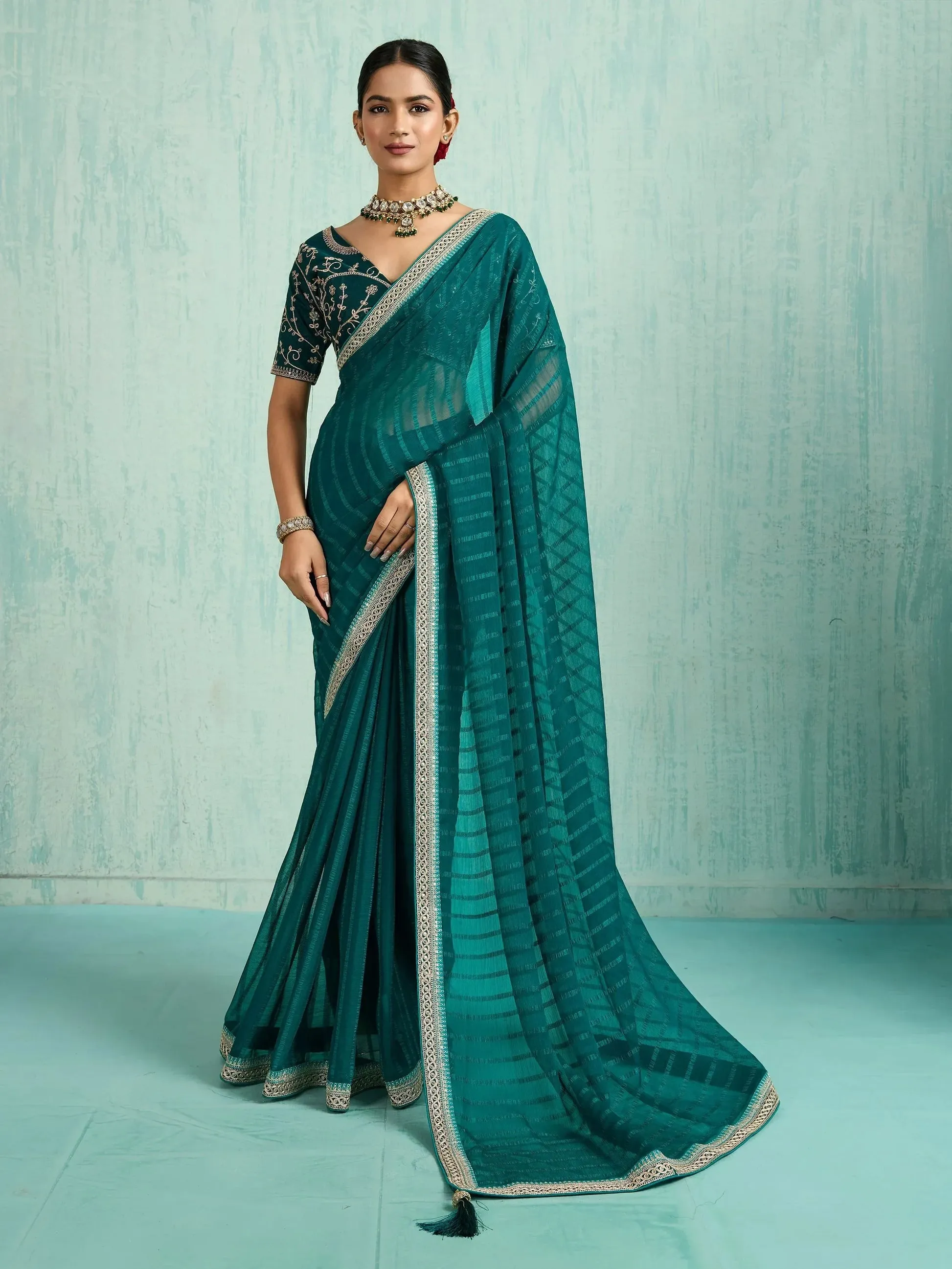
A genuine new saree collection usually mixes two kinds of pieces: shapes and shades made for the moment, and quieter anchors that will survive several years. Learn to spot both before you add anything to your wishlist or cart.
Ask whether you can picture the piece in three different settings. If you can, it is an anchor. If it only works with one blouse, one pair of earrings and one particular party, treat it as a trend purchase and set aside a smaller budget for it.
Reading the Fabric Notes
Product descriptions hide useful clues. Look for the fibre, the weight and the finish. Words such as lined, pre-washed or hand-finished tell you how the piece will behave, how much care it will need after each wear and how comfortably it will travel in a suitcase.
Be cautious with vague adjectives such as luxurious or premium, which describe a feeling rather than a material. Measurable details like length, border width and washing instructions deserve far more of your attention than any adjective ever will.
Colour Strategy Across the Season
Build around two or three shades you already wear well. A collection may feature ten colours, but your skin tone, wardrobe and jewellery box narrow the field quickly, and that narrowing is a gift rather than a limitation when you are short on time.
Allow one seasonal accent colour at most. It keeps your cupboard fresh without leaving you with a rack of pieces that only match each other, and it makes pairing blouses, dupattas and accessories far easier on busy mornings.
Testing Longevity Before You Buy
Run a simple test: how will this look in photographs five years from now? Dramatic cuts and extreme trends date quickly, while balanced borders, classic motifs and clean lines age gracefully on the same album page, beside relatives wearing their own choices.
Check where the embellishment sits. Work concentrated on the edges and the pallu is easier to restyle, and it lets the body of the piece be reused with different blouses, belts and layers long after the first occasion has been forgotten.
Budgeting for the Whole Outfit
Remember that the sticker price is rarely the final cost. Blouse stitching, a petticoat, jewellery and perhaps minor alterations all add up, so leave a sensible margin before you commit to the most expensive item in the lineup and then feel stretched.
Splitting the budget this way often leads to better outcomes. A moderate piece with excellent styling beats a costly one worn awkwardly, and it leaves room for the second purchase that makes the entire wardrobe work together.
Knowing When to Skip a Drop
Not every launch deserves your money. If nothing in the lineup answers a real gap in your wardrobe, skipping is a perfectly good decision, and the saved amount can wait for a piece that genuinely excites you.
Skipping also trains your eye. Over a few seasons you notice how often the same ideas return in new colours, and that awareness makes every future purchase calmer, sharper and much harder for urgency tactics to influence.
Building a Personal Shortlist
Keep a running note of every launch that caught your eye, with the reason in a few words. After a month, patterns appear, and your real taste becomes visible beneath the temptations of marketing, countdown timers and endless scrolling.
When an invitation arrives, you will already know where to look. A calm shortlist replaces last-minute panic, and what you buy is chosen for how it serves your life, not for how loudly it was announced to everyone.