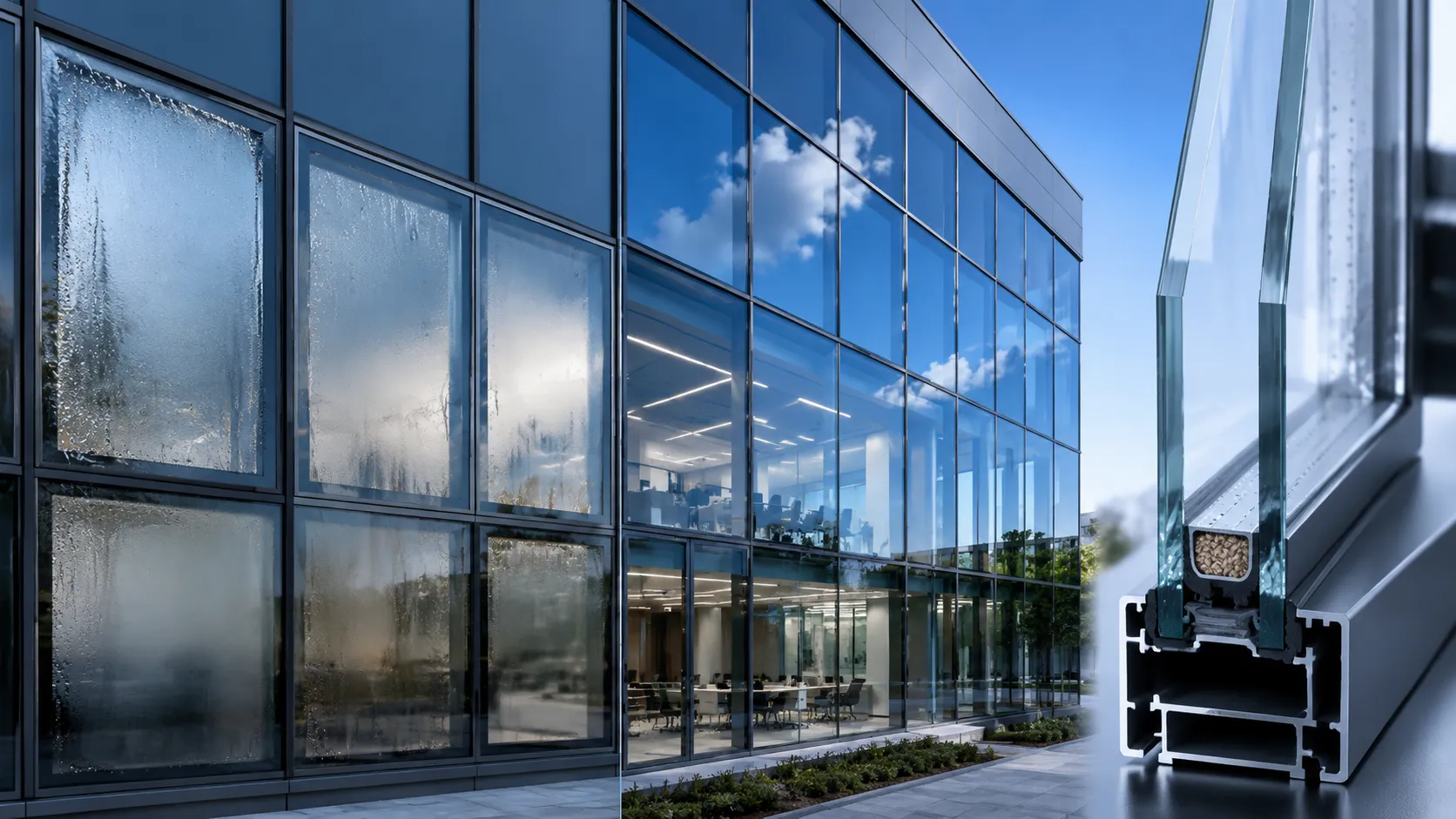
Insulated glass units are built to improve thermal insulation, reduce outside noise, and support energy-efficient buildings. But in real projects, many glazing systems start showing problems earlier than expected. Fogging between panes, edge condensation, seal failure, and uneven thermal performance are some of the most common insulated glass unit problems seen in commercial buildings and façade systems.
In many cases, the issue is not the glass itself. The spacer system plays a much bigger role than most people think. This is why many façade manufacturers and glass processors now prefer using a reliable warm edge spacer manufacturer in India for better long-term insulation and durability in glazing systems.
Over the years, I have seen projects where high-quality glass still failed because low-grade spacers created thermal bridges around the edges. On the other hand, properly designed warm edge systems often keep insulated glass units stable for years with fewer maintenance issues.
What Is an Insulated Glass Unit?
An insulated glass unit, often called an IGU, is made with two or more glass panes separated by a spacer and sealed together. The space between the panes is usually filled with air or inert gas to improve insulation.
These systems are commonly used in:
- Commercial windows
- Façade glazing systems
- Office buildings
- Refrigerated display units
- Modern residential projects
The spacer may look like a small component, but it directly affects thermal performance in glass units.
Common Problems in Insulated Glass Units
Many IGU failures begin around the edge of the glass. Let us look at the most common issues.
1. Condensation in Insulated Glass Units
Condensation is one of the first signs that something is wrong.
When the spacer conducts too much heat or cold, the edge temperature drops. Moisture then forms around the perimeter of the glass.
This often happens in:
- High-humidity areas
- Poorly insulated façade systems
- Commercial glazing exposed to weather changes
One common mistake is using traditional aluminium spacers in applications where thermal insulation matters. Aluminium transfers heat very quickly, which increases condensation risk.
2. Seal Failure
The spacer system supports the seal around the insulated glass unit. If the spacer expands and contracts too much with temperature changes, the sealant starts weakening.
Over time, this can lead to:
- Gas leakage
- Moisture entry
- Internal fogging
- Reduced insulation
I have personally seen seal failures happen within a few years in projects where low-cost spacers were selected only to reduce initial material cost.
3. Reduced Thermal Performance
A weak spacer system creates thermal bridging around the edges of the glass. This reduces the overall insulation value of the unit.
The result is:
- Higher indoor heat transfer
- Increased cooling load
- Uneven room temperature
- Lower energy efficiency
This is a major concern in large commercial buildings where energy use directly affects operating cost.
4. Fogging Between Glass Panes
When moisture enters the sealed cavity, fog starts appearing between the glass layers.
Once this happens, the visibility and appearance of the glass unit are affected badly. In many cases, the entire insulated unit needs replacement.
This issue is very common in poorly designed spacer solutions for insulated glass.
5. Stress Cracks Near Glass Edges
Temperature differences around the edges can create thermal stress.
In some projects, this leads to:
- Hairline cracks
- Edge fractures
- Glass breakage under pressure
Good spacer systems help maintain more balanced edge temperatures.
How Warm Edge Spacers Help
A warm edge spacer for insulated glass units is designed to reduce heat transfer around the edge of the glass. Unlike traditional metal spacers, warm edge systems use materials with lower thermal conductivity.
This improves the overall insulation performance of the IGU.
How Warm Edge Spacers Reduce Condensation
One of the biggest benefits is better edge temperature stability.
Warm edge technology helps keep the inside glass edge warmer during cold conditions. This reduces the chance of moisture forming around the perimeter.
In simple terms:
Less thermal transfer = less condensation.
This is why many modern façade glazing spacer systems now use composite or engineered spacer materials instead of aluminium.
Better Thermal Performance in Glass Units
Warm edge systems improve insulation around the weakest part of the IGU, which is usually the edge.
Benefits include:
- Lower heat loss
- Better indoor comfort
- Improved energy savings
- Reduced HVAC load
For large façade projects, even small thermal improvements can create noticeable energy savings over time.
Improved Seal Durability
A quality IGU warm edge spacer helps reduce stress on sealants because the spacer expands and contracts more evenly.
This improves:
- Seal life
- Gas retention
- Long-term durability
From experience, this is one of the most important reasons commercial glazing manufacturers prefer warm edge technology for IGU systems today.
Why Traditional Aluminium Spacers Often Fail
Aluminium spacers were widely used for years because they were simple and cheap.
But honestly, they are not ideal for modern energy-efficient glazing.
The main problem is thermal conductivity. Aluminium transfers heat too quickly. This creates cold edge zones and increases condensation risk.
In demanding applications like façade glazing or insulated commercial windows, this usually becomes visible after seasonal weather changes.
That is why the shift towards warm edge glazing systems has become much stronger in recent years.
Types of Warm Edge Spacer Solutions
Different projects require different spacer systems.
Plastic Composite Spacers
These are commonly used in energy-efficient windows and façade systems.
Advantages include:
- Lower heat transfer
- Lightweight structure
- Better insulation performance
Many window insulation spacer profiles now use composite materials for improved thermal control.
Stainless Steel Hybrid Spacers
These combine metal strength with better thermal performance.
They are often used in:
- Commercial glazing
- Structural façade systems
- High-performance IGUs
Flexible Foam Spacer Systems
These are designed for specialised glazing applications where movement flexibility is important.
They help reduce edge stress in large glass panels.
Choosing the Right Warm Edge Spacer Manufacturer
Not all spacer systems perform the same way.
A good warm edge spacer manufacturer focuses on:
- Dimensional consistency
- Material stability
- Thermal efficiency
- Seal compatibility
- Long-term durability
For commercial projects, consistency matters more than appearance.
A small variation in spacer quality can create problems during repeat production.
This becomes even more important for façade window profile manufacturer companies handling bulk glazing requirements.
Importance of Custom Spacer Profiles in Commercial Glazing
Commercial projects often require customised spacer dimensions and profile compatibility.
This is where custom spacer profiles for insulated glass units become useful.
These profiles help support:
- Custom glazing thickness
- Structural façade systems
- Thermal insulation targets
- Special architectural designs
Many modern projects also combine spacer systems with PVC profiles for façade systems to improve overall thermal performance.
Role of Plastic Extrusion Profiles in Glazing Systems
Plastic extrusion profiles are widely used in commercial glazing and façade applications.
These profiles help support:
- Edge insulation
- Spacer positioning
- Structural support
- Thermal barrier systems
An experienced plastic extrusion manufacturer for glazing applications usually understands the importance of profile accuracy and repeat production consistency.
Poor profile tolerances often create fitting problems during large-scale assembly.
Real-World Example: Why Spacer Quality Matters
A few years ago, I worked around a commercial glazing project where the contractor used low-cost spacers to reduce procurement cost.
The glass looked perfect initially.
But within two winters:
- condensation appeared around edges
- several units developed fogging
- seal failures increased
- replacement costs became much higher than the original savings
In another project using properly engineered insulated glass unit spacer solutions, the glazing performance remained stable even after years of weather exposure.
That difference usually comes down to material quality and thermal design.
What Usually Works Best
From practical experience, these things usually give better long-term results:
- Warm edge spacer systems with low thermal conductivity
- Consistent spacer dimensions
- High-quality seal compatibility
- Proper moisture control during IGU assembly
- Reliable extrusion profile support systems
What often fails is choosing spacer systems based only on price.
Cheap spacers may reduce short-term cost, but long-term maintenance becomes expensive.
Key Benefits of Warm Edge Spacers in IGU
| Problem | How Warm Edge Spacers Help |
|---|---|
| Condensation | Maintains warmer glass edges |
| Heat loss | Reduces thermal bridging |
| Seal stress | Improves expansion stability |
| Fogging | Helps maintain gas sealing |
| Energy efficiency | Improves insulation performance |
Many façade manufacturers and glass processors now work with companies like M3 Extrusion for customised spacer and plastic extrusion profile solutions used in insulated glass and commercial glazing systems where consistency and long-term supply matter.
Final Thoughts
Modern glazing systems need more than just quality glass. Spacer technology now plays a major role in insulation, condensation control, and long-term durability.
A properly designed warm edge spacer for insulated glass units helps improve thermal efficiency, reduce edge condensation, and support better seal performance in commercial glazing applications.
As energy-efficient buildings continue growing, warm edge spacer solutions will likely become standard rather than optional in façade and insulated glass systems.
FAQs
What is a warm edge spacer in insulated glass units?
A warm edge spacer is a low-conductivity spacer placed between glass panes in an insulated glass unit. It reduces heat transfer around the edges of the glass and improves insulation performance. These spacers also help reduce condensation and improve long-term glazing durability.
How do warm edge spacers reduce condensation?
Warm edge spacers reduce thermal transfer at the edge of the insulated glass unit. This keeps the inner glass surface warmer, which lowers the chance of moisture forming around the perimeter. They are especially useful in commercial glazing and façade systems exposed to changing temperatures.
Why do insulated glass units fail?
Most insulated glass unit problems happen because of seal failure, moisture entry, poor spacer performance, or thermal stress. Low-quality spacers can create temperature imbalance around the edges, leading to fogging, condensation, and reduced insulation performance over time.
Are warm edge spacers better than aluminium spacers?
Yes, in most modern glazing applications they perform better. Aluminium transfers heat quickly, which increases thermal bridging and condensation risk. Warm edge spacer systems provide better thermal insulation and usually support longer seal life in insulated glass units.
Where are warm edge spacers commonly used?
Warm edge spacers are commonly used in commercial windows, façade glazing systems, double glazing units, office buildings, and energy-efficient construction projects. They are also widely used in architectural glass systems where thermal insulation is important.
What materials are used in warm edge spacer systems?
Warm edge spacers are commonly made from composite plastic materials, hybrid stainless steel systems, or flexible foam technologies. These materials are selected because they reduce heat transfer while maintaining structural stability inside insulated glass units.
Why are custom spacer profiles important in façade glazing?
Custom spacer profiles help match specific glazing dimensions, insulation requirements, and structural needs. In façade projects, accurate spacer sizing improves sealing performance, thermal efficiency, and installation consistency across large commercial glazing systems.