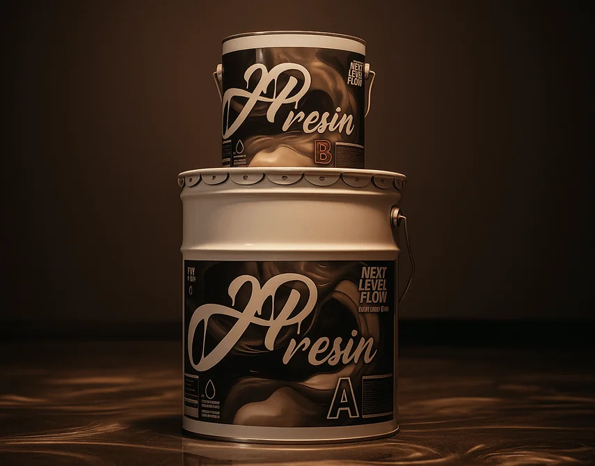
Art studios across the city have shifted hard toward resin work over the past few years. Tables, coasters, wall art, and even flooring projects—resin shows up everywhere once you start looking for it. JP resin Los Angeles creators reach for tends to come up constantly in local maker groups, mostly because consistency matters so much with this stuff. One bad batch ruins hour of work, so people stick with brands and suppliers they’ve already tested and trust.
What Makes a Good Resin Supplier
Not every supplier in the city carries the same quality. Some sell resin that yellows within months under sunlight, which ruins the whole point of a clear-finished piece. Others stock formulas built specifically for deep pours or artistic work that need different cure times and viscosity levels. Epoxy supplies Los Angeles artists actually rely on come from a handful of trusted names, and most serious hobbyists learn pretty fast which ones hold up and which ones don’t.
Deep Pour Versus Tabletop Resin
These aren’t interchangeable, even though beginners often assume they are. Tabletop resin cures thin, good for coating a flat surface or sealing a painting. Deep pour resin cures differently, layer by layer usually, and is built to handle thicker molds without overheating or cracking in the middle. Picking wrong wastes money and time both, so knowing which project needs which type saves a lot of frustration down the road, especially for anyone working on river tables or thick decorative pieces.
Why Local Supply Access Matters
Ordering resin online sounds convenient until shipping delays or temperature damage during transit ruin a batch before it even arrives. Resin is sensitive to heat, and LA summers don’t help matters sitting in a hot delivery truck for hours. Buying locally means picking up supplies that haven’t been baked in transit, checked for quality before leaving the shelf, and are available same-day when a project can’t wait on shipping windows.
Safety Considerations People Skip
A lot of beginners skip proper ventilation and gloves early on, then regret it once fumes or skin irritation shows up. Good suppliers actually explain this upfront instead of just selling product and moving on. Mixing ratios matter too; get it wrong and the resin either never fully cures or cures too fast to work with. Suppliers who know their stuff walk customers through this instead of letting them figure it out through trial and error on an expensive batch.
Building Skills Beyond Just Buying Supplies
Plenty of shops in the city now run workshops alongside selling raw materials, which honestly helps beginners more than any online tutorial does. Watching someone pour a piece in person and asking questions in real time sticks better than a video ever could. Some suppliers even keep sample pieces on hand showing different finishes, so customers can see exactly what a specific resin type looks like cured before committing to buying gallons of it.
Choosing The Right Amount to Buy
Buying too little means stopping mid-project, waiting on a restock. Buying too much means the product is sitting around past its shelf life, since resin doesn’t last forever once opened. Suppliers who actually know their inventory can help estimate quantities based on mold size or project scope, saving customers from guessing and either running short or wasting money on excess that never gets used.
Conclusion
Resin work in LA has grown into a real community, and having reliable access to quality materials makes all the difference between a frustrating project and a finished piece worth showing off. hatittakesla.com connects makers with exactly this kind of resource, JP resin Los Angeles artists trust, paired with epoxy supplies Los Angeles hobbyists and professionals need for projects of any size. Whether it’s a first coaster or a full river table build, having the right supplies close by changes the entire experience.