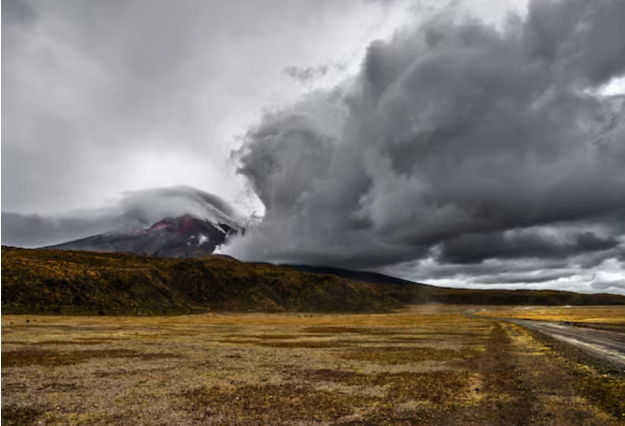
One of the biggest myths floating around about severe weather is that every powerful thunderstorm eventually spins up a tornado. That’s really not true, though. Plenty of storms build impressive cloud towers, dump heavy rain, drop big hail, kick out damaging winds, all without ever producing a tornado. Understanding why that happens is honestly a core part of meteorology, and it’s something you’ll pick up pretty quick on a professionally guided Storm Chasing Tour.
For weather lovers, knowing the difference between a severe thunderstorm and one that’s actually capable of producing a tornado makes every chase mean a lot more, and it really highlights how complicated the atmosphere actually is.
Not Every Thunderstorm Is the Same
Thunderstorms form when warm, moist air rises into cooler air higher above. That process alone can create dramatic weather, sure, but it doesn’t automatically mean a tornado’s coming. A lot of storms stay pretty short-lived, just rain and lightning, nothing more. Others get severe enough to produce hail or damaging wind, but still don’t have what it takes to actually spin up a tornado. That’s exactly why experienced chasers assess every storm on its own terms instead of assuming it’ll turn tornadic just because it looks impressive.
Tornadoes Need the Right Ingredients
Meteorologists honestly compare tornado formation to following a recipe. Every ingredient has to show up, and they all need to come together at the right moment.
Some of the key pieces:
- Warm, humid air near the ground
- Cooler, drier air above the surface
- Strong atmospheric instability
- Wind shear that changes with height
- A rotating thunderstorm, often a supercell
Miss even one of these, or have it show up weaker than expected, and a storm can stay severe without ever producing a tornado.
Rotation Alone Isn’t Enough
A lot of people assume any rotating storm’s basically guaranteed to spit out a tornado eventually. Rotation’s just one piece of the puzzle, though.
A supercell can develop a rotating updraft just fine, but that circulation might never tighten enough to actually reach the ground. Other times, dry air gets pulled into the storm, or wind patterns shift, and that interrupts the whole tornado-forming process.
On a Storm Chasing Tour, guides usually explain these shifts as they happen, which helps guests understand why the day’s forecast sometimes flips on them.
Why Forecasts Can Change
Forecasting works off the best data available at the time, but the atmosphere never really sits still.
A storm that looks primed for a tornado in the morning might weaken by afternoon just because temperatures didn’t climb as expected, or moisture dropped off. Other days, storms end up stronger than predicted because conditions improved unexpectedly.
That uncertainty is honestly a huge part of what makes storm chasing both frustrating and genuinely fascinating.
Supercells Can Still Be Spectacular
Even without a tornado forming, severe storms can put on quite a show.
Guests on tornado tours often catch:
- Towering supercell thunderstorms
- Rotating wall clouds
- Brilliant lightning displays
- Shelf clouds stretching across the horizon
- Mammatus cloud formations
- Beautiful sunsets following storms
These moments alone make for an unforgettable experience, showing just how much power the atmosphere’s really carrying.
Why Storm Chasers Keep Watching
Chasers rarely just walk away from a storm just because it hasn’t dropped a tornado yet. They’ll keep watching radar, satellite imagery, and the storm’s visual structure. Sometimes it weakens for good. Other times, it reorganizes later and comes back stronger than before. Patience is honestly just as important as the excitement, maybe more so.
Learning From Every Storm
Every single thunderstorm teaches something, tornado or not. Chasers compare what actually happened against the forecast, which sharpens their understanding of how different systems behave over time. Even a storm that never produces a tornado still adds to that bigger picture of forecasting and atmospheric science.
For guests, that learning piece often ends up being one of the most rewarding parts of the whole trip.
Why Expectations Matter
A lot of first-timers book tornado tours hoping specifically to see a tornado. That’s a real possibility, sure, but good operators encourage guests to appreciate the full range of what severe weather actually offers.
Watching a supercell evolve, photographing dramatic clouds, learning how storms actually come together, all of that can be just as memorable as a tornado sighting itself. Understanding that going in makes for a much more enjoyable, realistic trip.
Final Thoughts
Powerful thunderstorms don’t always end in a tornado, and honestly, that’s exactly what makes severe weather so interesting. Every storm develops under its own unique mix of conditions, and even tiny shifts can completely change how things play out.
A professionally guided Storm Chasing Tour gives you more than just a shot at extreme weather. It’s a real chance to understand why storms behave so differently, how forecasts get interpreted, and why even the most impressive storms sometimes never produce a tornado at all. That knowledge turns every chase into something that’s equal parts adventure and education.