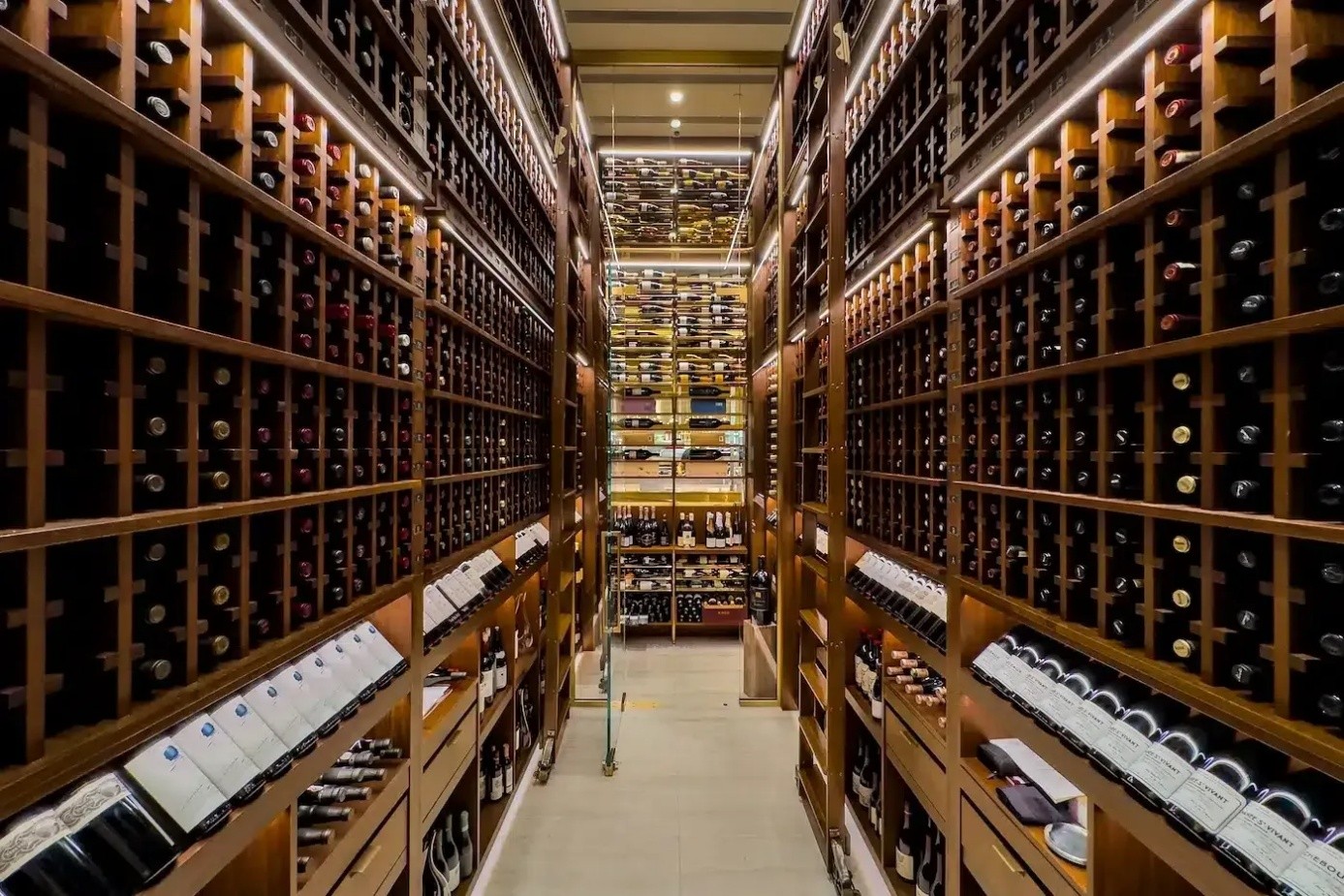
Wine cellar refrigeration attracts more folklore than almost any other corner of the hobby. Some of it is harmless. Some of it spoils bottles slowly while the owner congratulates themselves on how cold the room feels. Sorting fact from habit matters, because the damage rarely announces itself. It shows up months later, in a cork that has shrunk or a wine that tastes flatter than it should. By then, the cause is hard to trace. Here are five beliefs worth questioning, along with what to do instead.
Myth One: Colder Is Safer
It seems logical that a lower temperature protects wine better. In reality, a cellar that runs far below the typical storage range slows maturation, can dry out corks, and makes the wine harder to serve properly. Steady conditions around 55°F are a far better target than an icy room.
Consistency matters more than any single number. A room that sits at 52 one day and 58 the next stresses bottles more than one that holds quietly at 55. Aim for calm, not for cold. A steady, ordinary reading beats a dramatic one.
Myth Two: A Kitchen Fridge Will Do
Household refrigerators are built to keep food cold and dry, and they run much colder than wine wants. Their constant opening, strong food smells and low humidity make them poor long-term homes for bottles, even if they work for a week before a party.
If you’re unsure which category your space belongs in, a wine cellar design consultation can settle the question in a single visit. It’s a modest step that can prevent a costly mistake. A specialist can measure the room, discuss your collection and recommend equipment that actually fits the job.
Myth Three: A Bigger Unit Means More Safety
Oversizing feels like insurance, but it often backfires. A unit that’s too powerful cools the room quickly, shuts off, then cycles on again and again. Those short bursts never run long enough to manage moisture smoothly, so humidity ends up swinging up and down.
A right-sized system runs longer, gentler cycles and keeps temperature and humidity steadier. The goal isn’t maximum power; it’s matching capacity to the heat that the room genuinely gains. Sizing takes measurements, not guesses.
Myth Four: Humidity Is a Minor Detail
Many people watch the thermometer and ignore the humidity reading. Yet air that’s too dry can shrink corks and let oxygen creep in, while air that’s too damp encourages mold on labels and shelving.
A range of roughly 60 to 70 percent suits most cellars. A small digital hygrometer costs very little, and checking it every week or two tells you whether the system and the room are working together. Write the numbers on a card by the door if you like.
Myth Five: Set It and Forget It
Equipment is reliable, but not magic. Dust gathers on coils, gaskets stiffen, and drain lines can clog. None of these problems announce themselves loudly, and each one makes the system work a little harder every month.
A simple routine solves most of it. Wipe the grille, look over the seals and listen for changes in sound, since an unfamiliar rattle or hum often warns of a loose part. Seasonal checks, especially before summer, catch small issues before they become expensive repairs. Put a reminder in your calendar so it actually happens.
What Actually Matters
Stability, correct sizing, good airflow and regular attention account for nearly all of a cellar’s success. Brand names and clever features matter far less than these basics, and none of them can rescue a poorly sized or neglected system.
If a measurement ever looks odd, trust it over your impression of the room. Cold air feels comforting, but the readings tell the real story, and they’re easy to check. A minute with the thermometer beats an hour of worry.
Conclusion: Replace Folklore With Readings
Good storage conditions come from numbers and routine, not from habit or hearsay. Check your assumptions, and let simple tools show you how the room behaves. Ten minutes of measuring can save a whole collection.
To learn what proper equipment looks like for your own space, you can begin at customwinecellar.com and see the options available for your room.