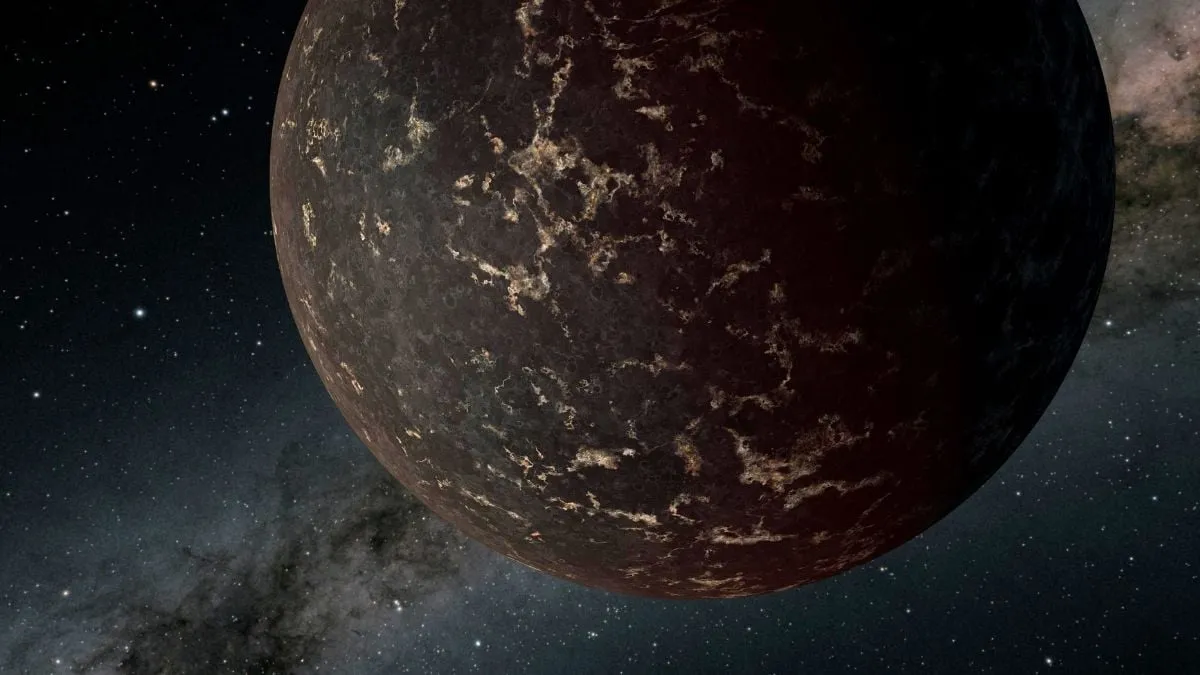
Every day, satellites orbiting high above Earth collect images that help people understand the planet in once impossible ways. From tracking weather systems to observing environmental changes, satellite technology provides a unique perspective that supports science, research, and public awareness.
An Earth View From Space offers much more than a beautiful image. It allows scientists to study large-scale patterns, monitor natural events, and observe how different parts of the planet interact. These observations play an important role in weather forecasting, climate research, and environmental monitoring.
As satellite technology continues to improve, the ability to view Earth from space remains one of the most valuable tools for understanding our changing world.
A New Way To See Earth
Before satellites existed, people could only study Earth from the ground, aircraft, or ships. While these methods provided useful information, they could not offer a complete picture of the planet.
The launch of Earth observation satellites changed that. Scientists gained the ability to monitor entire continents, oceans, and weather systems from a single perspective. This broader view revealed connections between natural processes that were difficult to identify before.
Today, an Earth View From Space helps researchers observe cloud formations, ocean currents, seasonal changes, and atmospheric activity across large areas. This wider perspective has become essential for studying Earth’s interconnected systems.
How Satellites Capture Images
Earth observation satellites travel in carefully planned orbits around the planet. As they move, onboard cameras and sensors collect information from the surface and atmosphere.
These instruments can record:
-
Cloud coverage
-
Ocean temperatures
-
Vegetation conditions
-
Snow and ice coverage
-
Atmospheric activity
-
Land surface changes
The collected data is transmitted back to Earth, where scientists process it into usable images and information.
Many satellites operate continuously, allowing researchers to monitor changes on a daily basis. This regular flow of information provides a more accurate picture of what is happening across the planet.
Understanding Satellite Images
Modern Satellite Images of Earth are created using advanced technology capable of detecting more than visible light.
Some sensors capture images similar to what a person might see from space. Others detect heat, moisture, and different wavelengths that reveal information invisible to the human eye.
This technology helps scientists identify:
-
Storm development
-
Drought conditions
-
Wildfire activity
-
Ocean temperature patterns
-
Vegetation growth
-
Environmental changes
By combining different types of data, researchers can build detailed visual representations of Earth’s systems and track changes over time.
Why Daily Images Are Important
Earth is constantly changing. Weather systems move, vegetation responds to seasonal conditions, and environmental events occur around the world every day.
Daily observations help scientists follow these changes more accurately.
Satellite imagery supports several important activities:
Weather Forecasting
Meteorologists use satellite data to monitor cloud movement, storm development, and atmospheric conditions. This information helps improve forecasts and severe weather warnings.
Disaster Monitoring
During hurricanes, floods, wildfires, and other natural disasters, satellite imagery helps emergency teams evaluate affected areas and coordinate response efforts.
Environmental Research
Scientists use daily imagery to monitor forests, coastlines, agricultural regions, and ecosystems.
Climate Studies
Long-term collections of Satellite Images of Earth allow researchers to compare environmental conditions across years and identify broader trends.
What Space Reveals About Our Planet
One of the most fascinating aspects of viewing Earth from space is the ability to see patterns that are difficult to recognize from the ground.
Large storm systems can stretch across thousands of miles. Ocean currents form massive swirling structures. Seasonal changes become visible across entire continents.
From orbit, Earth appears as a connected system rather than a collection of separate regions.
This perspective helps scientists better understand how land, oceans, weather, and ecosystems influence one another. It also highlights the complexity of the natural processes that shape daily life around the world.
Looking Ahead
Earth observation technology continues advancing. New satellites provide higher-quality imagery, more frequent updates, and improved data collection capabilities.
Researchers are also using advanced computing and artificial intelligence to analyze satellite information more efficiently. These developments allow scientists to identify environmental changes faster and with greater accuracy.
Future missions will continue expanding our understanding of Earth while providing valuable information for science, education, and environmental monitoring.
Conclusion
The ability to observe Earth from orbit has transformed the way people study the planet. An Earth View From Space provides a unique perspective that supports weather forecasting, environmental research, and scientific discovery. Through detailed Satellite Images of Earth, researchers can monitor changing conditions across land, oceans, and the atmosphere every day. As technology continues to improve, satellite imagery will remain an essential tool for understanding and protecting our planet for future generations.