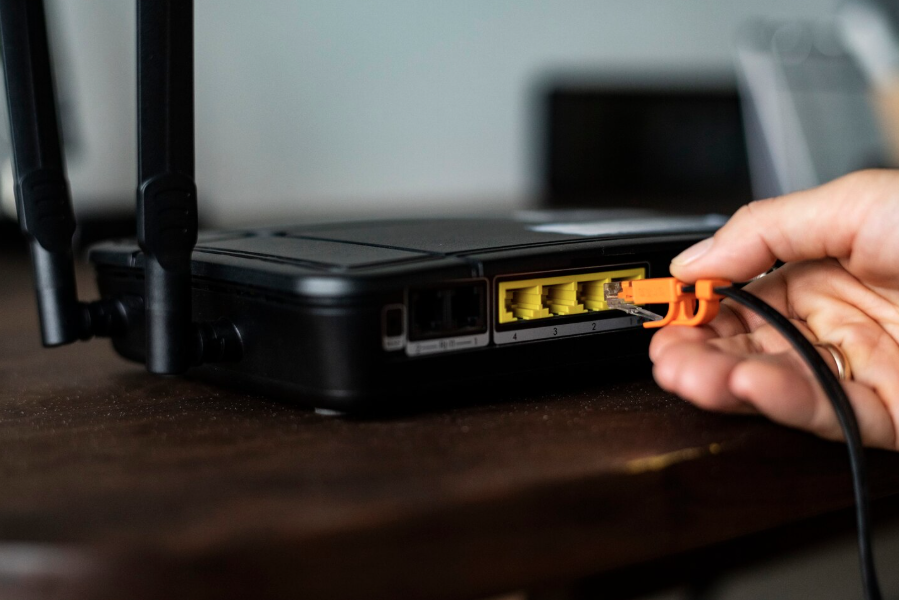
A well-planned Unifi installations in phoenix project usually starts with floor plans, wall materials, and realistic device counts. Concrete block walls, metal shelving, and tinted glass can weaken signals in strange spots. Careful placement matters a lot, and skipping this step often creates issues that are frustrating to fix later on.
Portland projects use many of the same design habits
The same structured methods used in UniFi Installations in Portland work well for clinics, offices, and retail environments. Weather conditions are very different, obviously. The core technical process stays mostly the same, which makes long-term management easier and a little less chaotic for most teams.
Cabling quietly carries the real workload
Wireless gets most of the attention, but cables do the heavy lifting underneath everything. Poor terminations can cause cameras to disconnect and phones to sound inconsistent during busy periods. Technicians usually test every cable before equipment is connected, and that catches faults before they become larger and more disruptive problems.
Segmented networks keep traffic cleaner and easier to control
Businesses often need isolated networks for staff, guests, surveillance, and payment terminals. VLANs make this possible without adding too much complexity to administration. When traffic is segmented correctly, security improves and troubleshooting becomes more direct. It feels cleaner, honestly, and easier to manage each day.
Central dashboards reduce scattered support work
UniFi allows administrators to monitor gateways, switches, and access points from one interface. Firmware updates and alerts appear in a central dashboard. This saves time when remote locations report problems and somebody needs useful answers pretty quickly, which happens more often than expected.
Portland deployments often leave room for future growth
Many UniFi Installations in Portland include spare switch ports and additional cable capacity from the beginning. Growth rarely follows a tidy schedule. New cameras, phones, and access points can be added later without disturbing a network that is already working well for normal business operations.
Backup internet helps when the primary provider fails
Cloud applications, voice systems, and payment terminals depend on stable connectivity. Dual-WAN gateways can shift traffic to a secondary circuit when the main provider goes offline. Even short outages can affect employees and customers more than expected, and it becomes frustrating rather fast.
Security works better when included from the start
Strong credentials, routine updates, and isolated device groups reduce common network risks. Surveillance and door access can share the same ecosystem without adding unnecessary confusion. Planning security early usually makes administration more organized and less reactive when unexpected issues show up.
Hardware should fit the actual operating environment
Indoor offices, outdoor patios, and warehouse spaces all require different equipment choices. Device density also affects switch power and wireless capacity. Selecting hardware based on real usage patterns leads to steadier performance and fewer unexplained issues over time, which businesses usually appreciate.
Conclusion
A thoughtful Unifi installation in phoenix deployment helps businesses build reliable wireless coverage, organized security, and easier long-term management. UniFiNerds.com shares practical insight drawn from field experience, including lessons from UniFi Installations in Portland and similar commercial environments.
Careful planning, tested cabling, and scalable configurations usually reduce operational headaches and simplify future upgrades. If your organization is preparing a new installation or replacing an older network, consult experienced professionals and design with long-term needs clearly in mind.